
Outside the gates of ICE on a chilly autumn morning, a family of five appeared, carrying only a few worn bags. I recognized them instantly—“Victor,” “Luisa,” and their three children—returning yet again, hoping for passage, hoping for home. Their hearts were set on returning to Central America, yet home always seemed just out of reach. I had promised myself that if they were turned away once more, I would do everything in my power to help them raise the funds for flights.
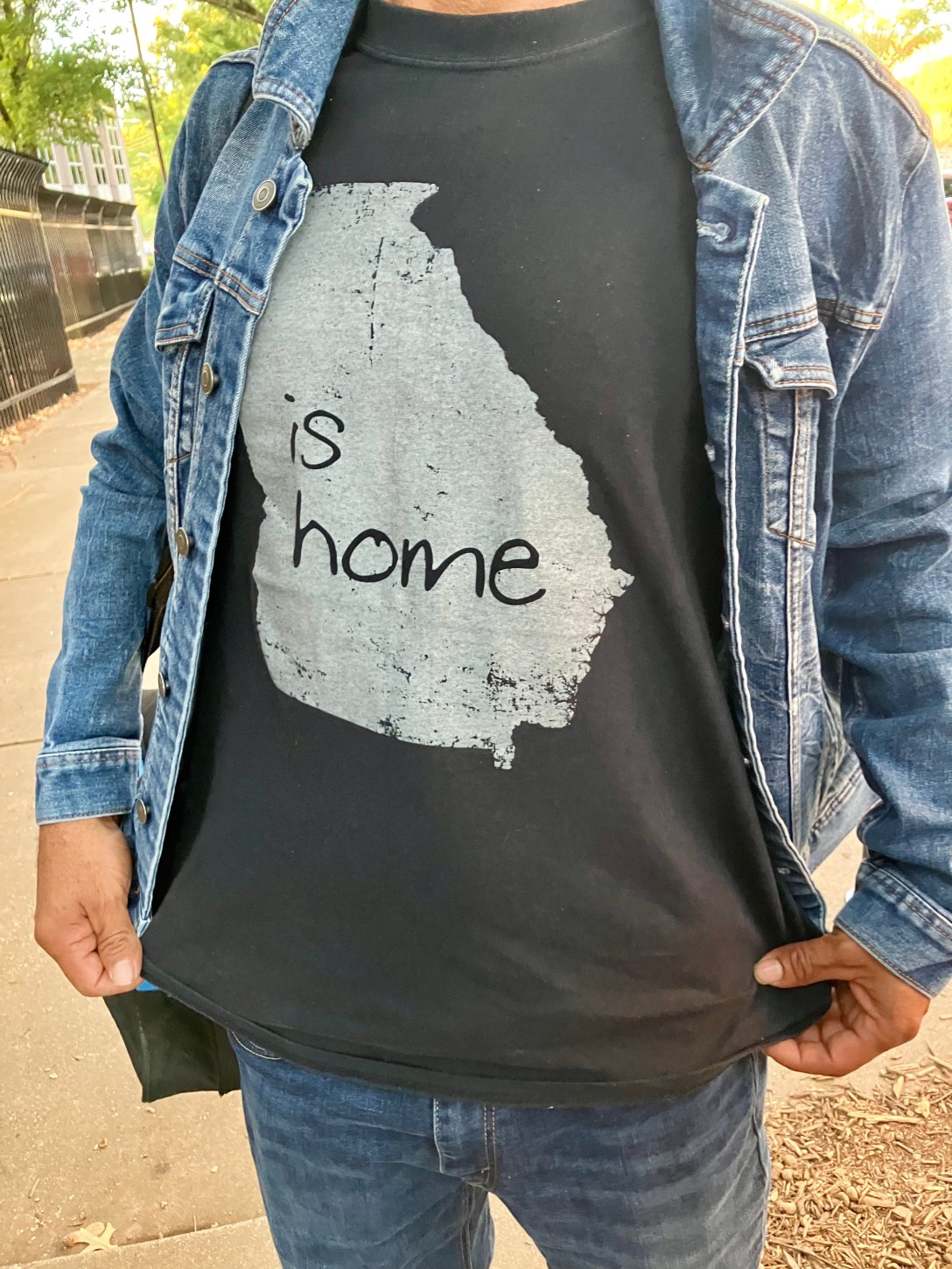
This time, Victor wore a shirt that declared, “Georgia is home.” A bitter irony: claiming belonging in a place that still refused to claim them. Moments later, he was detained. Hope and home collided in the shadows of the gates. I have witnessed hope arrive, only to be stripped away again. And yet, at these gates, I also witness resilience that refuses to be erased.
Earlier this year, my friend Mario Guevara was torn from his home and family by the harsh and dehumanizing tactics of a system of mass incarceration that preys on Black and Brown bodies alike.
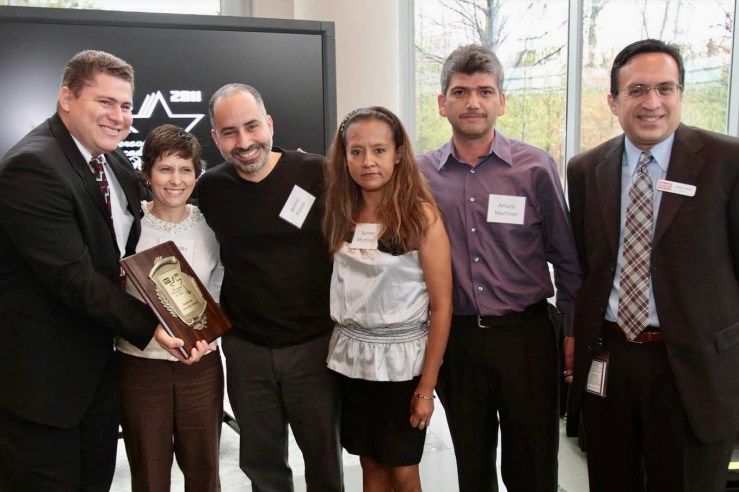
I have known Mario for eighteen years. In 2007, he was the only journalist covering a hunger strike at Stewart Detention Center. His reporting led me to organize the first known protest outside the facility. Four years later, as the movement to expose Stewart’s abuses gained momentum and we opened El Refugio—a hospitality house just outside the detention center—Mario presented Casa Alterna with Mundo Hispánico’s Organization of the Year award.
Now the tables have turned. Mario has been deported to El Salvador after being detained by ICE for more than one hundred days. He had lived in the United States for nearly two decades. Mario is known for his award-winning coverage of immigration issues. His arrest in June came while he was live-streaming an anti-Trump “No Kings” demonstration near Atlanta.
Upon his return, Mario told reporters:
“I trusted in the United States justice system because it had always been fair to me. I trusted the United States, right? One of its slogans in the Pledge to the flag is liberty and justice for all. That no longer exists. Liberty and justice are only for American citizens. Journalists who are American citizens can do their work; a journalist like me, who is an immigrant with a work permit, no. That’s the new reality in the United States.”
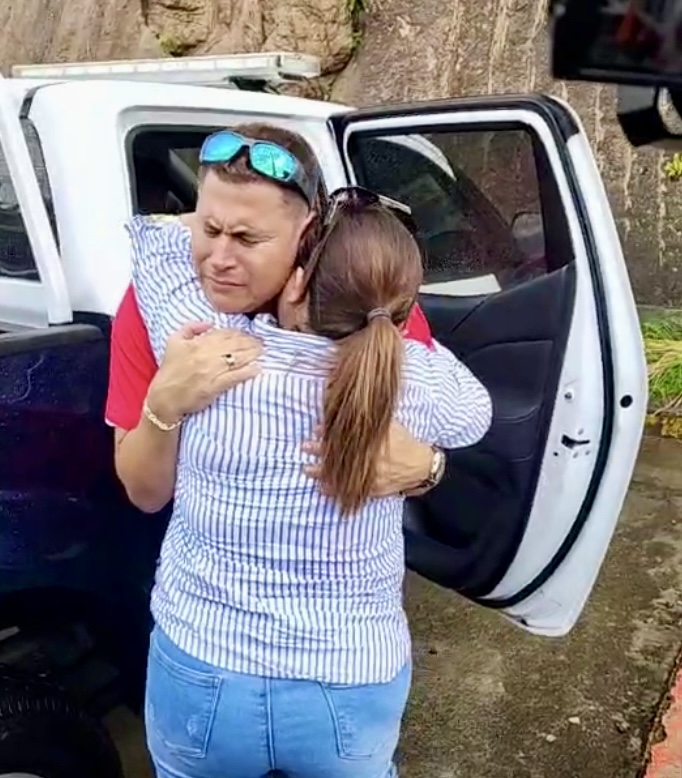
When I first saw the video of Mario being embraced by a loved one in El Salvador, I was struck by how—even in exile—love makes a home. His words and that image—pain and tenderness intertwined—remind me that home can exist not only in geography, but in the arms of those who remember and honor you. I honor Mario, Victor, and Luisa.
Victor, Luisa, and Mario—though their paths diverge—teach the same lesson: home is more than a place on a map. It is dignity extended, presence recognized, humanity honored—even in spaces built on fear and control. At the gates of ICE, we strive to make a home, if only for a moment, by standing in witness and acknowledging each immigrant’s inherent worth.
Where is home? For some, it is a distant country they long to return to. For others, it is a life uprooted—carried now in memory, in the embrace of loved ones, in the fleeting kindness of strangers. And for all, it exists wherever human beings are seen, honored, and treated with care.
We cannot change every outcome. But together we can stand, bear witness, and honor the humanity the system seeks to erase. So we stand at the gates—not to save anyone, but to witness, and to help make home, even briefly, where it might otherwise be denied. In that fleeting hospitality, we glimpse an enduring truth: home—truly—is where dignity and care are extended.
by Anton Flores-Maisonet
AT THE THRESHOLD
How can you help create home—a space of dignity and belonging—for those who are displaced?

 Casa Alterna