
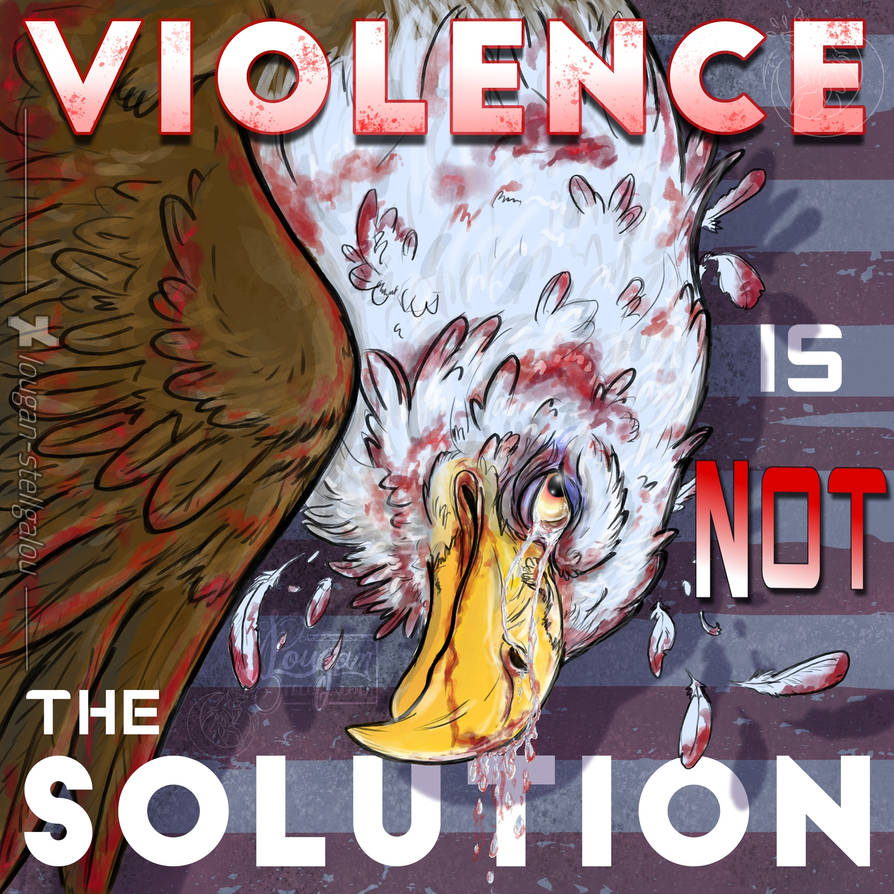
There is no place in America for this kind of violence. It’s sick. It’s sick.
The recent attempted assassination of Donald Trump has brought the issue of political violence to the forefront. President Biden’s strong condemnation—”There is no place in America for this kind of violence. It’s sick. It’s sick.”—reflects a national desire for unity and a rejection of violence in our political discourse.
During the Pennsylvania rally, shots were fired while Trump delivered an anti-immigrant speech. Trump credited a chart positioned behind him with saving his life as he turned to look at it just as a bullet grazed his ear. Notably, the chart focused on immigration, asserting that many arriving at the Southern border are “from prisons and mental institutions, also terrorists.” While the shooter bears sole responsibility for their actions, this incident reflects a disturbing reaction to political tensions. Trump’s rhetoric often dehumanizes and stigmatizes vulnerable groups, fostering a climate that normalizes discrimination and harsh policies, perpetuating a cycle of political violence.
Political violence encompasses not just isolated acts of aggression but also systemic injustices. David Gil, a child refugee of the Holocaust and professor emeritus at Brandeis University, defines violence as both overt acts and societal conditions that hinder human development and potential. This perspective highlights how structural inequalities perpetuate cycles of oppression and marginalization, contributing to societal instability. Addressing these underlying issues is crucial to effectively confronting political and societal violence.
Theologian Walter Wink argues that violence does not solve problems or bring positive change.
Theologian Walter Wink challenges the belief in the “myth of redemptive violence,” arguing that violence does not solve problems or bring positive change. Instead, Wink advocates for nonviolent resistance and transformative actions that promote reconciliation and justice. His insights guide us toward constructive responses to injustice and inequality.
At Casa Alterna, our focus on asylum seekers in the United States informs strategies to address political violence against immigrants:
Accountability in Policy and Rhetoric: Holding leaders accountable for divisive language and advocating for inclusive policies to unite people in respect and unity is crucial. Criticism of Biden is warranted as his administration has shifted from welcoming immigration policies to stricter rules, such as setting daily limits on asylum seekers at the southern border and providing funding to Panama for deportations. Accountability is essential to ensure policies prioritize human dignity and fairness for all.
Empowerment of Marginalized Communities: Supporting oppressed groups through legal protections, social services, and advocacy strengthens their resilience against violence and discrimination. For asylum seekers, ensuring access to legal representation and work permits is critical in protecting them from unjust treatment.
Global Diplomacy and Humanitarian Aid: Venezuela, the home country of the majority of Casa Alterna’s guests and residents, is in the grip of severe humanitarian crises: food insecurity, healthcare collapse, and rampant human rights abuses, including arbitrary detention and torture. The international community must take bold action to address these violations, ensuring accountability for those in power. Urgent humanitarian aid and sustained diplomatic pressure are crucial to relieve suffering and restore justice in Venezuela.
Education and Awareness: Reports suggest the individual who targeted Trump for assassination was bullied in high school, potentially influencing his view of violence as a solution. Bullying reflects a broader culture of violence rooted in unequal power dynamics and systemic injustices. Educating and raising public awareness can foster empathy, challenging stereotypes perpetuating our divisive culture of violence.
Nonviolent Resistance and Restorative Justice: Embracing nonviolent strategies and restorative justice practices offer constructive alternatives to addressing injustice and promoting sustainable peace. Pursuing transformative change, even in challenging circumstances, requires courage and commitment.
In the coming year, Casa Alterna would love to collaborate with more congregations with access to affordable housing.
Radical Hospitality: At Casa Alterna, we embody an alternative to violence through radical hospitality. We partner with local congregations and support host families to offer safe, stable transitional housing for asylum seekers. In the past four years, we’ve hosted nearly 600 asylum-seeking guests from over 50 countries. In the coming year, Casa Alterna would love to collaborate with more congregations with access to affordable housing.
As we strive for unity grounded in justice and compassion, we must reject the normalization of political violence. By exposing systemic injustices, promoting nonviolent solutions, and extending radical hospitality, we can build a society where every individual’s dignity and rights are respected. Together, we can create a future where violence is not a tool of division but where peace and justice prevail.
Photo by Lougan Stellgalou / StellgaLou Creations, (C) 2021
Licensed under CC BY-NC-ND 3.0
Source: bit.ly/46c6LFI

 Casa Alterna
AMEN. Thank you, Anton
LikeLike