
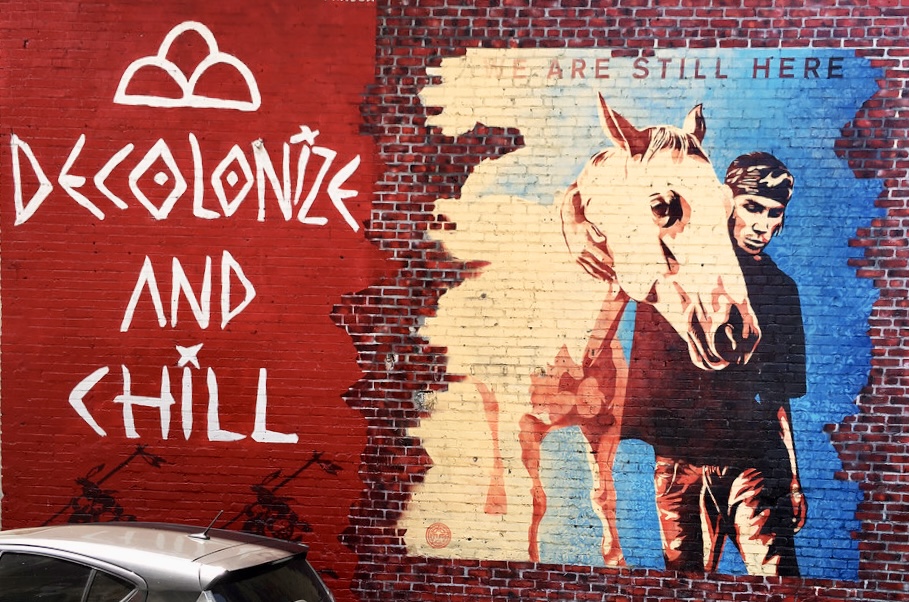
At Casa Alterna, we understand gratitude as more than a personal feeling expressed once a year. Especially at Thanksgiving, gratitude calls us to pause, reflect, and align our actions with justice. To practice gratitude honestly in a world shaped by colonization, displacement, and systemic inequity, we must reexamine its stories and meanings. This is not about wokeness; it is about embracing truth, honoring those harmed by historical and ongoing injustices, and committing ourselves to solidarity.
First, decolonizing gratitude begins with centering Indigenous voices. Acknowledging the land we inhabit and its original stewards is essential. Casa Alterna sits on the traditional homelands of the Muscogee (Creek) people, whose presence endures. Gratitude should move beyond acknowledgment to active learning: discovering and sharing Indigenous histories and perspectives on Thanksgiving disrupts the comforting myth of a peaceful feast and resists erasure.
Second, we can rethink what gratitude looks like in daily life. Gratitude is not merely listing our blessings—it is how we relate to one another and to the land. It can take shape through mutual aid, tending the earth that sustains us, and supporting neighbors displaced by war, migration, or colonization. At Casa Alterna, we see each day how gratitude rooted in solidarity fosters resilience and hope. When we understand gratitude collectively, we honor both the peoples whose lands were taken and the newcomers now seeking refuge on the same ground.
Third, we can honor Indigenous traditions through the foods we share. For my own Thanksgiving, I center gratitude by including foods connected to Indigenous resilience. From Borikén—the ancestral Taíno land now called Puerto Rico—I will enjoy corn and beans, staples that sustained the Taíno for generations. These foods remind me that gratitude is relational, grounded in care for land and community. Eating with awareness of their history and significance encourages mindful living that extends beyond the meal.
Fourth, we must resist the myths that sanitize history. Thanksgiving should not romanticize Pilgrims as symbols of harmony, nor speak of “our land” without acknowledging theft and displacement. These narratives perpetuate harm. We can choose truth instead: stories of resistance, resilience, and survival in the face of dispossession. Practically, we can read Indigenous accounts of Thanksgiving, learn original place names, support Native-led organizations, and teach our families what truly happened. These small steps move us from myth toward honesty—and from honesty toward repair.
Finally, gratitude must lead to solidarity. Recognizing the inequities that persist today transforms gratitude from sentiment into action. This can look like supporting Indigenous-led initiatives, land trusts, and educational projects, or aligning our resources with communities still bearing the weight of displacement. At Casa Alterna, this gratitude takes shape not only in providing housing but in accompanying far more neighbors at the gates of ICE—many of them Indigenous or colonized peoples—who face the threat of further displacement through detention or deportation. We honor their journeys through radical hospitality and by advocating for policies that protect human dignity. Gratitude becomes real when it moves beyond words and crosses borders.
To decolonize gratitude is to let it stretch beyond personal comfort into communal care, truth-telling, and allyship. This Thanksgiving, may our gratitude acknowledge history honestly, celebrate resilience, and honor those whose lands and lives have been shaped by colonization and displacement. In doing so, we practice a gratitude that is both beautiful and transformative—nourishing our hearts while deepening our commitment to justice and solidarity.
At the Threshold
This Thanksgiving, how might I let my gratitude move beyond words—toward truth-telling, care for the land, and solidarity with those displaced by colonization and injustice?
by Anton Flores-Maisonet
“Decolonize and Chill – We are Still Here” by wiredforlego, licensed under Creative Commons (Some Rights Reserved) via Flickr.

 Casa Alterna